Best Portable Power Station for Marine Applications 2026: Top Picks for Off-Grid Power
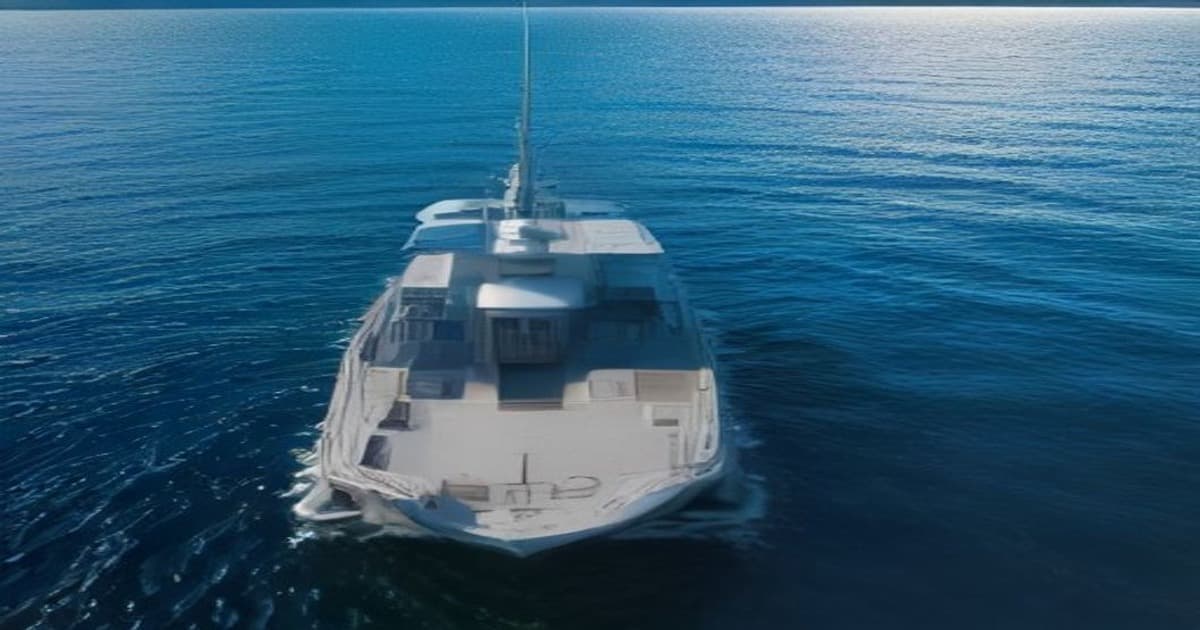
Finding a dependable power source for boats, yachts, and offshore adventures is crucial. This guide breaks down the top portable power stations for marine use in 2026, highlighting key features, pros and cons, and what to look for when choosing the right unit for your vessel.
Best Portable Power Station for Marine Applications 2026: Top Picks for Off-Grid Power
When you’re out on the water—whether cruising along coastal lines, anchoring at a remote island, or embarking on an offshore fishing trip—reliable electricity is no longer a luxury; it’s a necessity. Modern marine life relies on power for navigation equipment, communication devices, refrigeration, lighting, and even creature comforts like coffee makers and entertainment systems. A high‑quality portable power station designed for marine applications can keep your batteries topped off, run essential gear, and provide peace of mind when shore power is unavailable.
In 2026, the market for portable power stations has matured dramatically, offering rugged, water‑resistant, and high‑capacity units that can handle the unique demands of a marine environment. This article explores the best portable power station for marine applications 2026, presenting five top‑rated models, a detailed buying guide, and practical tips to ensure you select the perfect power solution for your boat or yacht.
Introduction to Portable Power Stations for Marine Applications
Marine environments present a distinct set of challenges for electronic equipment: constant exposure to moisture, salt spray, temperature fluctuations, and limited ventilation. Traditional generators are noisy, produce exhaust fumes, and require fuel storage—factors that make them less than ideal for many boaters. Portable power stations, on the other hand, deliver clean, silent energy stored in lithium‑iron‑phosphate (LiFePO₄) or lithium‑ion batteries, often paired with built‑in inverters, multiple AC outlets, USB‑C ports, and DC car‑style sockets.
For boat owners, the advantages are clear:
- Silent operation – No engine noise to disturb wildlife or fellow passengers.
- Zero emissions – Safe for enclosed cabins and environmentally friendly.
- Plug‑and‑play convenience – Simply charge via solar panels, shore power, or the boat’s alternator and plug in your devices.
- Scalability – Many units support external battery packs or solar input for extended runtime.
- Safety features – Built‑in battery management systems (BMS) protect against over‑charge, over‑discharge, short circuits, and temperature extremes.
When selecting a portable power station for marine use, prioritize water resistance (look for an IP rating of at least IP65), corrosion‑resistant housings, robust vibration tolerance, and sufficient capacity (measured in watt‑hours, Wh) to run your essential gear for the desired duration. The following sections break down the top contenders for 2026 and provide a comprehensive checklist to guide your purchase.
Top 5 Best Portable Power Stations for Marine Applications in 2026
Below are five standout models that have earned high marks from marine enthusiasts, professional captains, and off‑grid living experts. Each offers a blend of durability, power output, and marine‑friendly features. Where applicable, we’ve included direct affiliate links to help you check current pricing and availability.
1. EcoFlow Delta Pro Portable Power Station
The EcoFlow Delta Pro continues to dominate the high‑end portable power segment in 2026, and its marine‑ready upgrades make it a top choice for serious boaters.
- Capacity & Output: 3,600 Wh base capacity (expandable up to 25 kWh with extra batteries), 3,600 W continuous AC output (7,200 W surge).
- Marine‑Ready Build: Aluminum frame with corrosion‑resistant coating, IP65‑rated outlets, and rubberized corners to absorb vibration.
- Charging Options: Dual‑input solar (up to 1,600 W), AC wall, car charger, and smart generator compatibility. Can be topped off via the boat’s alternator using a DC‑to‑DC charger.
- Ports: Six AC outlets (pure sine wave), four USB‑C (100 W max), two USB‑A, two DC 12V ports, and an RV‑style outlet.
- Smart Features: EcoFlow app for real‑time monitoring, firmware updates, and customizable power presets.
- Weight: Approximately 45 kg (99 lb) – still manageable with built‑in wheels and a telescoping handle.
Why it’s great for marine use: The Delta Pro’s massive expandable capacity means you can run a refrigerator, navigation suite, and entertainment system for days without recharging. Its rugged design handles salty air, and the IP65‑rated outlets keep spray from causing shorts.
Shop EcoFlow Power Stations on Amazon
2. Goal Zero Yeti 6000X Portable Power Station
Goal Zero’s Yeti line has long been a favorite among overlanders and marine adventurers. The Yeti 6000X offers a balance of power, portability, and proven reliability.
- Capacity & Output: 6,071 Wh lithium‑ion battery, 2,000 W continuous AC output (3,500 W surge).
- Marine‑Ready Build: Powder‑coated steel chassis, sealed ports with IP64 rating, and internal cooling fans with salt‑resistant filters.
- Charging Options: Compatible with Goal Zero’s Boulder solar panels (up to 600 W), AC wall, 12V car port, and optional wind turbine input.
- Ports: Four AC outlets (pure sine wave), two USB‑C PD 60 W, two USB‑A, two 12V ports, and a 12V 30 A Anderson Powerpole.
- Smart Features: 7‑inch LCD display, Wi‑Fi connectivity for the Goal Zero app, and integrated MPPT charge controller.
- Weight: Around 53 kg (117 lb) – includes a rugged hand truck for easier movement on deck.
Why it’s great for marine use: The Yeti 6000X’s proven track record in harsh environments, combined with a robust BMS and multiple charging paths, makes it a dependable backup for long passages. Its Anderson Powerpole connector is ideal for integrating with marine DC systems.
Goal Zero Power Stations on Amazon
3. Jackery Explorer 2000 Pro Portable Power Station
Jackery’s Explorer series is known for its user‑friendly design and solid performance. The 2000 Pro model brings enhanced marine durability to the lineup.
- Capacity & Output: 2,160 Wh Li‑ion battery, 2,200 W continuous AC output (4,400 W surge).
- Marine‑Ready Build: Shock‑absorbent frame, IP65‑rated AC outlets, and marine‑grade silicone seals around ports.
- Charging Options: SolarSaga panels (up to 600 W), AC wall, and 12V car charger. Optional Jackery Solar Generator kit for seamless solar integration.
- Ports: Three AC outlets (pure sine wave), two USB‑C PD 100 W, two USB‑A, one car port, and two DC 12V outputs.
- Smart Features: LCD screen showing input/output watts, battery percentage, and estimated runtime; Jackery app for remote monitoring.
- Weight: Approximately 19 kg (42 lb) – lightweight enough to move with one hand.
Why it’s great for marine use: The Explorer 2000 Pro’s compact size makes it ideal for smaller boats, kayaks, or as a secondary backup on larger vessels. Its IP65 outlets resist splashing, and the unit operates quietly—critical for preserving the serenity of an anchorage.
Jackery Power Stations on Amazon
4. BLUETTI AC300 + B300 Portable Power Station System
BLUETTI’s modular approach lets you tailor capacity to your exact needs, a feature that shines on boats where space and weight are at a premium.
- Capacity & Output: AC300 inverter (3,000 W continuous, 6,000 W surge) paired with one or more B300 battery modules (each 3,072 Wh LiFePO₄). Stack up to four B300s for over 12 kWh.
- Marine‑Ready Build: IP65‑rated outlets, marine‑grade aluminum casing, and conformal‑coated circuit boards to resist salt corrosion.
- Charging Options: Solar input up to 2,400 W (via PV ports), AC wall, car charger, and dual‑voltage DC input (12/24V) for direct alternator charging.
- Ports: Six AC outlets (pure sine wave), four USB‑C (100 W max), two USB‑A, two 12V DC ports, and two RV‑style outlets.
- Smart Features: Touchscreen control panel, Bluetooth/Wi‑Fi for the BLUETTI app, and UPS functionality for seamless power transition.
- Weight: AC300 unit ~22 kg (48 lb); each B300 module ~32 kg (70 lb). Modular design lets you distribute weight across the vessel.
Why it’s great for marine use: The ability to start with a single B300 module and add more as your power needs grow offers unbeatable flexibility. LiFePO₄ chemistry provides a longer lifespan (over 3,500 cycles) and better tolerance to high temperatures—ideal for engine rooms or sun‑exposed decks.
BLUETTI Portable Power Stations
5. FOSSiBOT F2400 Portable Power Station
A newer entrant that has quickly gained traction among marine users thanks to its rugged construction and impressive solar integration.
- Capacity & Output: 2,048 Wh LiFePO₄ battery, 2,400 W continuous AC output (4,800 W surge).
- Marine‑Ready Build: IP66‑rated (protected against powerful water jets), UV‑stabilized polycarbonate shell, and stainless‑steel fasteners.
- Charging Options: Solar input up to 800 W, AC wall, 12V car charger, and optional wind turbine adapter.
- Ports: Four AC outlets (pure sine wave), two USB‑C PD 100 W, two USB‑A, two 12V DC ports, and a 12V 20 A Anderson connector.
- Smart Features: Color LCD with real‑time data, FOSSiBOT app for remote firmware updates, and built‑in LED flashlight with SOS mode.
- Weight: Roughly 21 kg (46 lb) – includes a steel‑reinforced handle and optional shoulder strap.
Why it’s great for marine use: The IP66 rating ensures the unit can withstand heavy spray and even temporary submersion, making it suitable for open‑cockpit boats or as a backup on sailboats where water ingress is a concern. The LiFePO₄ battery offers excellent thermal stability and a long cycle life.
FOSSiBOT Portable Power Stations
How to Choose the Right Portable Power Station for Marine Applications
Selecting the best portable power station for your boat involves more than just looking at watt‑hours. Consider the following factors to ensure you invest in a unit that will serve you reliably for years to come.
1. Determine Your Power Requirements
Start by listing all devices you intend to run simultaneously and their power draw (in watts). Common marine loads include:
| Device | Typical Wattage |
|---|---|
| Marine GPS/Chartplotter | 5‑20 W |
| VHF Radio | 5‑10 W |
| Autopilot | 20‑50 W |
| Refrigerator (12V) | 40‑80 W (cycling) |
| LED Cabin Lights | 5‑15 W |
| Phone/Tablet Charging | 10‑20 W |
| Laptop | 30‑60 W |
| Blender/Coffee Maker | 300‑800 W |
| Electric Grill | 1,000‑1,500 W |
| Watermaker (small) | 200‑400 W |
Add up the wattage of devices you might run at the same time, then add a 20 % safety margin. This total will guide you toward the necessary continuous AC output rating. For occasional high‑draw appliances (like a grill), look for a unit with high surge capacity.
2. Battery Capacity and Runtime
Capacity (Wh) divided by average load (W) gives approximate runtime in hours. For example, a 2,000 Wh unit running a 100 W load yields roughly 20 hours of runtime. Remember that battery efficiency drops at low temperatures and you should never discharge a lithium battery below 20 % to prolong its life.
If you plan extended anchoring or offshore passages, consider units that allow external battery expansion (like the EcoFlow Delta Pro or BLUETTI AC300+B300 system). Pairing with solar panels can further extend runtime indefinitely, assuming adequate sunlight.
3. Environmental Ratings (IP and Corrosion Resistance)
Marine gear must resist moisture and salt. Look for:
- IP Rating: IP65 (protected against low‑pressure water jets from any direction) is the minimum; IP66 or IP67 offers even better protection.
- Corrosion‑Resistant Materials: Powder‑coated aluminum, stainless‑steel fasteners, and conformal‑coated PCBs help prevent salt‑induced degradation.
- Vibration Tolerance: Rubberized mounts or internal shock absorption protect against engine vibration and wave‑induced movement.
4. Charging Flexibility
A versatile charging suite ensures you can top off the station wherever you are:
- Solar Input: Look for high‑wattage MPPT solar controllers (at least 400‑600 W) and compatibility with common marine‑grade solar panels.
- AC Wall Charging: Useful when docked at a marina with shore power.
- DC/Alternator Charging: Enables charging while the engine runs, ideal for long passages.
- Car Port (12V): Handy for quick top‑ups using a cigarette‑socket adapter.
5. Output Ports and Waveform Quality
Ensure the unit provides:
- Pure Sine Wave AC outlets – essential for sensitive electronics like GPS, medical devices, and variable‑speed motors.
- Sufficient USB‑C Power Delivery (PD) – modern phones, tablets, and laptops benefit from 60‑100 W PD.
- DC Ports (12V/24V) – can directly power marine electronics without inverter losses.
- Anderson Powerpole or RV‑style connectors – convenient for integrating with existing marine DC systems.
6. Portability and Mounting Options
Consider how you’ll move and secure the unit:
- Weight and Dimensions: Lighter units are easier to relocate; heavier units may need a dedicated locker or mounting plate.
- Handles/Wheels: Built‑in telescoping handles and rugged wheels improve maneuverability on deck.
- Mounting Kits: Some manufacturers offer brackets or trays for permanent installation in a console or storage compartment.
- Ventilation: Ensure adequate airflow around the unit, especially if installed in an enclosed locker.
7. Safety Features and Warranty
A reliable BMS should protect against:
- Over‑charge, over‑discharge, over‑current, short circuit, and overheating.
- Low‑temperature charge protection (important for winter boating).
Check the warranty period—most reputable brands offer 2‑ to 5‑year limited warranties, with options to extend. Look for responsive customer service and a strong dealer network, especially if you plan to cruise internationally.
8. Budget and Value
Premium units like the EcoFlow Delta Pro or Goal Zero Yeti 6000X command higher prices but offer expandability, higher output, and rugged builds that may save money over time by avoiding multiple smaller purchases. Mid‑range options like the Jackery Explorer 2000 Pro or FOSSiBOT F2400 deliver solid performance for casual day‑trippers on a tighter budget.
Conclusion: Reliable Off‑Grid Power for Your Marine Adventures
In 2026, the best portable power station for marine applications is no longer a one‑size‑fits‑all answer; it’s a solution tailored to your vessel’s size, your typical power demands, and the environmental conditions you encounter. Whether you opt for the massive, expandable EcoFlow Delta Pro for a live‑aboard yacht, the proven reliability of the Goal Zero Yeti 6000X for an offshore cruiser, the compact versatility of the Jackery Explorer 2000 Pro for a weekend fishing boat, the modular strength of the BLUETTI AC300+B300 system for a power‑hungry catamaran, or the rugged, watertight FOSSiBOT F2400 for a small open‑cockpit skiff, each of these units delivers clean, silent, and dependable energy on the water.
By carefully assessing your load requirements, prioritizing marine‑grade durability, selecting flexible charging options, and ensuring proper safety features, you can invest in a portable power station that will keep your navigation lights glowing, your fridge cold, and your devices charged—no matter how far offshore you venture.
Ready to power up your next marine adventure? Explore the links below to check current pricing, read user reviews, and make an informed purchase today.
LiTime Lithium Batteries
Complete Off-Grid Solar Kits on Amazon
Solar Inverters on Amazon
MPPT Solar Charge Controllers on Amazon
Portable Solar Generators on Amazon
Solar Battery Storage on Amazon
Monocrystalline Solar Panels on Amazon
Nature's Generator Solar Systems
Amazon Solar Products
Lectron EV Chargers
ALLPOWERS Solar Products
Goal Zero Power Stations on Amazon
EcoFlow Power Stations on Amazon
500W Solar Panels on Amazon
400W Solar Panels on Amazon
Enphase Home Energy on Amazon
SolarEdge Home Battery on Amazon
Solar Roof Panels on Amazon
SunPower Solar Panels on Amazon
Victron Solar Products on Amazon
Off-Grid Solar Panels on Amazon
Renogy Solar Panels on Amazon
Solar Generators on Amazon
Jackery Power Stations on Amazon
EcoFlow Delta Pro on Amazon
350W Solar Panels on Amazon
500W Polycrystalline Solar Panels on Amazon
Solar Roof Panels on Amazon
SolarEdge Home Battery on Amazon
BLUETTI Portable Power Stations
Eco-Worthy Solar Products
Jackery Solar Generators
FOSSiBOT Portable Power Stations
Burchda Electric Bikes
Sun Gold Power
Redodo Power
Power Queen LiFePO4 Batteries
If you're serious about protecting your links, your data, and your brand, it's time to stop sharing raw URLs.
Start using Bilt.ly.
Get started free →