Best Solar Powered Homes 2026: A Comprehensive Guide
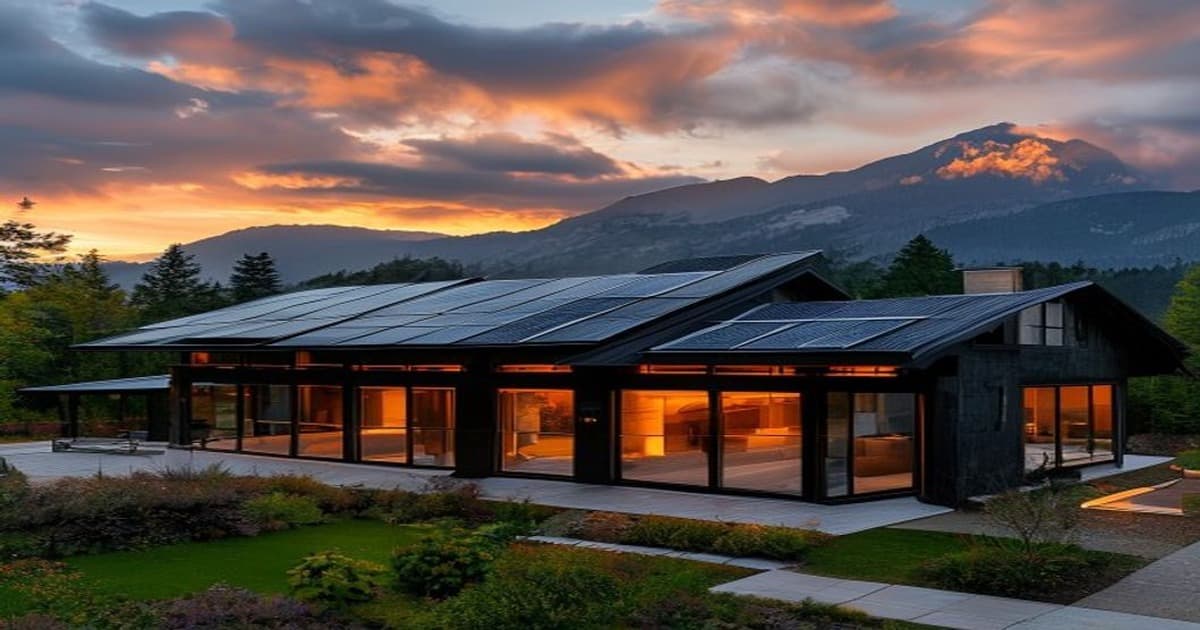
Solar powered homes are transforming residential energy use in 2026, offering unprecedented savings and sustainability. This guide explores why investing in solar power is smart, highlights leading solar panel brands and storage solutions, and provides actionable advice for selecting the perfect system for your specific needs and budget.
Best Solar Powered Homes 2026: A Comprehensive Guide
Are you researching the best solar powered homes 2026 has to offer? You're part of a growing movement. With utility costs rising and environmental concerns paramount, homeowners across the country are turning to solar energy to achieve true energy independence. The technology has matured significantly, making 2026 an ideal year to invest in a residential solar power system. This comprehensive guide cuts through the marketing noise to deliver practical, actionable advice for homeowners ready to embrace solar power. We'll cover the compelling benefits of solar powered homes, examine the top solar panel brands dominating the 2026 market, and walk you through the critical factors for choosing the right system—whether you're considering a complete off-grid setup or a grid-tied solution with battery backup.
Introduction to Solar Powered Homes
Solar powered homes harness sunlight through photovoltaic (PV) panels, converting it into electricity to power everything from lights and appliances to heating and cooling systems. Modern systems typically include solar panels, an inverter to convert DC power to AC, mounting hardware, and increasingly, battery storage for energy use when the sun isn't shining. The evolution of solar technology over the past decade has been remarkable—panel efficiency has increased dramatically while costs have plummeted, making solar power accessible to average homeowners rather than just eco-enthusiasts or the wealthy.
In 2026, the best solar powered homes 2026 solutions are characterized by integration and intelligence. Systems now seamlessly connect with home energy management apps, allowing real-time monitoring of production and consumption. Smart inverters optimize power flow, and lithium-ion battery storage (like the options available through LiTime Lithium Batteries or Power Queen LiFePO4 Batteries) enables homeowners to store excess daytime generation for evening use or grid outages. This shift toward self-consumption maximizes savings and enhances resilience against power disruptions—a critical consideration as extreme weather events become more frequent.
The financial case for solar has never been stronger. Federal tax credits remain available through 2032, covering 30% of system costs, while many states and utilities offer additional rebates. More importantly, solar panels typically pay for themselves within 6-10 years through reduced electricity bills, then provide free power for another 15-20+ years. For homeowners planning to stay long-term, solar represents one of the most reliable home improvements for increasing property value while decreasing monthly expenses. Whether you're motivated by environmental stewardship, financial savings, or energy security, understanding the components and considerations of solar powered homes is the first step toward making an informed decision.
Why the Best Solar Powered Homes 2026 Are a Smart Investment
The advantages of adopting solar power extend far beyond simple electricity bill reduction. Today's best solar powered homes 2026 installations deliver a trifecta of benefits: financial, environmental, and lifestyle enhancements that compound over time.
Financial Benefits: Beyond Lower Bills While reduced utility costs are the most obvious advantage, solar power offers layered financial benefits. Net metering programs in many states allow homeowners to sell excess electricity back to the grid, potentially earning credits that offset nighttime usage. Properties with solar panels consistently sell faster and at premiums—studies show an average increase of 4.1% in home value, translating to thousands of dollars in added equity. Moreover, solar provides a hedge against future utility rate increases, which have averaged 2-3% annually over the past decade. By locking in your electricity costs today, you insulate yourself from market volatility. The Complete Off-Grid Solar Kits on Amazon option represents an extreme form of this independence, eliminating utility bills entirely for remote or self-sufficient lifestyles.
Environmental Impact: Tangible Change The environmental advantages of solar power are both immediate and substantial. A typical 6kW residential solar system offsets approximately 8-10 tons of carbon dioxide annually—equivalent to planting over 100 trees each year. Unlike fossil fuel-based electricity, solar generation produces zero air pollution, reducing smog, acid rain, and respiratory health concerns in your community. For homeowners concerned about their carbon footprint, transitioning to solar represents one of the most impactful individual actions available. When paired with battery storage from sources like Solar Battery Storage on Amazon, you maximize self-consumption of clean energy, further minimizing reliance on grid power that may still originate from coal or natural gas plants.
Lifestyle and Resilience Benefits Modern solar powered homes 2026 offer enhanced living experiences. Silent operation means no noisy generators disrupting your peace during outages. Battery storage systems provide seamless backup power—when the grid fails, your home automatically switches to stored energy without interruption. This capability is invaluable for medical equipment users, home-based businesses, or anyone in regions prone to storms or wildfires. Additionally, solar panels require minimal maintenance—typically just occasional cleaning and annual inspections—freeing you from the upkeep associated with traditional backup generators. The quiet reliability of systems featuring components like MPPT Solar Charge Controllers on Amazon ensures your power stays on when you need it most.
Top Solar Panel Brands for the Best Solar Powered Homes 2026
Selecting quality solar panels is foundational to a successful solar powered home. In 2026, the market offers exceptional options across different budgets and efficiency requirements. Understanding the distinctions between panel types and leading manufacturers helps ensure your investment delivers optimal performance for decades.
Monocrystalline vs. Polycrystalline: The Efficiency Equation Monocrystalline panels, made from single-crystal silicon, dominate the premium market due to their superior efficiency (typically 20-22%) and sleek black appearance. They perform better in low-light conditions and high temperatures, making them ideal for roofs with partial shading or limited space. Polycrystalline panels, while less efficient (15-17%), offer a lower upfront cost and distinctive blue speckled look. For homeowners with ample roof space and budget constraints, polycrystalline remains a viable option—but monocrystalline's higher energy production often yields better long-term returns, especially in regions with less-than-ideal sunlight.
Leading Manufacturers in 2026 Several brands consistently earn top marks for reliability, warranty coverage, and real-world performance:
- SunPower: Renowned for industry-leading efficiency (up to 22.8%) and an unmatched 25-year complete system warranty. Their Maxeon cell technology minimizes degradation over time. Explore current offerings via SunPower Solar Panels on Amazon.
- LG Solar: Though exiting the panel market in 2023, their legacy panels remain highly regarded for durability and performance, particularly in coastal or high-humidity environments.
- Panasonic: Offers excellent temperature coefficients and heterojunction (HJT) technology for superior performance in heat.
- REC Group: Known for robust panels with strong warranties and innovative half-cut cell design that reduces shading losses.
- Q CELLS: Provides excellent value with reliable performance and a strong focus on quality control.
For budget-conscious homeowners seeking reliable performance without premium pricing, brands like Renogy (accessible via Renogy Solar Panels on Amazon) and Eco-Worthy (Eco-Worthy Solar Products) offer solid entry-level options, particularly suitable for smaller systems or auxiliary structures like garages or workshops. When evaluating panels, prioritize:
- Efficiency Rating: Higher percentages mean more power per square foot.
- Temperature Coefficient: Lower negative percentages indicate better performance in heat.
- Power Tolerance: Look for panels with positive-only tolerance (e.g., 0/+5W) ensuring they meet or exceed rated output.
- Warranty: 25-year performance warranty is standard; 10-12 year product warranty covers defects.
- Certifications: Verify UL listing and IEC standards compliance.
How to Choose the Right Solar Panel for Your Home
Selecting the ideal solar power system involves more than just picking panels—it requires a holistic assessment of your property, energy usage, and goals. Follow this framework to design a system that maximizes your savings and satisfaction.
Step 1: Analyze Your Energy Needs Review your past 12 months of electricity bills to determine your average monthly kilowatt-hour (kWh) usage. This baseline dictates the system size required. A typical U.S. home consumes about 900 kWh monthly, necessitating a 6-8kW system depending on location and roof orientation. Don't forget to factor in future changes—planning an electric vehicle purchase? Add approximately 3,000-4,000 kWh annually for charging. Considering a home addition or workshop? Account for that increased load now to avoid costly upgrades later.
Step 2: Evaluate Your Solar Potential Not all roofs are created equal for solar production. Key factors include:
- Orientation: South-facing roofs (in the Northern Hemisphere) receive the most sunlight. East/west orientations work but yield 10-20% less energy.
- Tilt Angle: Ideal tilt matches your latitude for year-round optimization (adjustable mounts can help).
- Shading: Trees, chimneys, or neighboring buildings that cast shadows—even partially—can significantly reduce output. Consider microinverters or power optimizers (like those from Enphase, available via Enphase Home Energy on Amazon) to mitigate shading issues.
- Roof Condition: Ensure your roof is in good condition with at least 10-15 years of life remaining. Solar panels last 25+ years; you don't want to remove and reinstall them for a roof replacement soon after installation.
- Available Space: Calculate usable square footage after accounting for setbacks, vents, and obstructions.
Professional solar assessors use tools like Google's Project Sunroof or specialized software to model your roof's solar potential accurately. Many reputable installers offer free site evaluations—take advantage of these to get customized production estimates.
Step 3: Determine System Type and Components Your goals dictate the optimal configuration:
- Grid-Tied Without Battery: Simplest and most affordable option. Excess power feeds the grid (earning credits via net metering), and you draw from the grid when solar production is insufficient. Vulnerable to grid outages.
- Grid-Tied With Battery Storage: Adds energy independence and backup power. Batteries store surplus solar energy for use at night or during outages. Increasingly popular as battery costs decline. Explore options like BLUETTI Portable Power Stations for portable backup or stationary solutions from brands like Tesla Powerwall or Generac PWRcell.
- Off-Grid (Stand-Alone): Complete independence from the utility grid. Requires sufficient battery capacity to cover multiple cloudy days and a backup generator for extended poor weather. Ideal for remote cabins, tiny homes, or homesteads. The Complete Off-Grid Solar Kits on Amazon provide a convenient starting point for these applications.
- Hybrid Systems: Combine grid-tie capabilities with battery storage and generator backup for maximum flexibility.
Step 4: Select Quality Components Beyond Panels While panels get the spotlight, other components critically impact system performance and longevity:
- Inverter: Converts DC panel output to usable AC power. String inverters are cost-effective for unshaded roofs; microinverters or power optimizers excel in complex roof layouts or partial shading. Consider Solar Inverters on Amazon for reliable options.
- Mounting System: Must withstand local wind and snow loads. Look for UL-listed, corrosion-resistant aluminum or stainless steel systems.
- Charge Controller: Essential for battery-based systems to prevent overcharging. MPPT (Maximum Power Point Tracking) controllers are 30% more efficient than PWM types—see MPPT Solar Charge Controllers on Amazon for top performers.
- Battery Storage: For backup or off-grid use, lithium iron phosphate (LiFePO4) batteries offer superior lifespan, safety, and depth of discharge compared to lead-acid. Options range from modular systems like Redodo Power to scalable solutions from Victron Solar Products on Amazon.
Step 5: Choose Your Installation Path
- Professional Installation: Recommended for most homeowners. Certified installers handle permitting, interconnection agreements, and optimal system design. Look for NABCEP-certified professionals with strong local reviews and transparent pricing.
- DIY Installation: Viable for experienced individuals with electrical knowledge, particularly for smaller off-grid or auxiliary systems. However, grid-tied interconnection usually requires licensed electricians to meet utility and code requirements. Mistakes can void warranties, create safety hazards, or fail inspections.
Step 6: Understand Incentives and Financing Maximize your investment by leveraging available incentives:
- Federal Solar Tax Credit (ITC): 30% of total system costs (including equipment, labor, and permitting) as a tax credit through 2032.
- State and Local Rebates: Programs vary widely—check DSIREusa.org for location-specific offers.
- Utility Incentives: Some utilities offer upfront rebates or performance-based incentives.
- Financing Options:
- Cash Purchase: Lowest lifetime cost, maximum savings.
- Solar Loans: Often offer low-interest rates specifically for solar projects; you own the system and claim incentives.
- Leases/PPAs: Little to no upfront cost, but you don't own the system (so no tax credits) and savings are typically lower. Exercise caution with long-term contracts that may complicate home sales.
Always obtain multiple detailed quotes from reputable installers. Ensure quotes specify equipment brands, warranties, expected annual production, and total costs after incentives. Be wary of prices that seem too good to be true—they often reflect inferior equipment or hidden fees.
Real-World Applications: Solar Powered Homes in Action
Understanding theory is valuable, but seeing solar power in action helps solidify concepts. Consider these common 2026 scenarios:
The Suburban Family Home A 2,000 sq. ft. household in Atlanta with two EVs installed a 7.2kW SunPower system with Enphase IQ8 microinverters and a 10kWh LG Chem battery. Their system covers 95% of annual electricity needs, including vehicle charging. During summer afternoon peak rates, they draw primarily from battery storage, avoiding expensive time-of-use charges. During a recent thunderstorm-related outage, their home maintained power for critical loads (refrigeration, lighting, internet) for 18 hours until grid restoration.
The Off-Grid Mountain Cabin A remote property in Colorado utilizes a 4kW system featuring Renogy Solar Panels on Amazon paired with a 400Ah LiTime lithium battery bank and a 3,000W pure sine wave inverter. A small propane generator provides backup during extended winter storms. The owners report zero utility bills and minimal maintenance—primarily snow panel clearing after heavy storms—enjoying true energy independence in a pristine natural setting.
The Urban Townhouse with Shading Challenges A row house in Boston with significant afternoon shading from neighboring buildings opted for SolarEdge power optimizers on each panel, paired with Q CELLS panels. This technology mitigates shading losses by allowing each panel to operate independently. Combined with a 6.5kWh Sonnen battery, the system achieves 70% offset of grid usage, with excess summer production credited toward winter consumption via net metering.
Conclusion: Your Path to Solar Powered Homes 2026
The transition to solar power represents one of the most impactful decisions a homeowner can make in 2026. Beyond the immediate appeal of lower electricity bills, solar powered homes deliver enduring value through energy independence, environmental stewardship, and increased property resilience. As technology continues to advance and costs decline, the barriers to entry have never been lower—making now the perfect time to investigate solar for your specific situation.
Begin your journey by assessing your energy needs and roof potential, then consult with qualified local installers to explore customized solutions. Remember that the "best" system isn't necessarily the largest or most expensive—it's the one that aligns perfectly with your unique circumstances, budget, and long-term goals. Whether you opt for a sleek monocrystalline array with cutting-edge battery storage like those found through Nature's Generator Solar Systems or a robust off-grid kit utilizing Goal Zero Power Stations on Amazon and EcoFlow Power Stations on Amazon, your investment in solar power today pays dividends for decades to come.
Take the first step: pull your last year's electricity bills, use Google's Project Sunroof for a preliminary roof assessment, and reach out to three local solar companies for quotes. The path to energy independence starts with a single inquiry—and the rewards of clean, affordable power begin flowing the moment your system comes online. Welcome to the future of residential energy: brighter, cleaner, and firmly within your control.
If you're serious about protecting your links, your data, and your brand, it's time to stop sharing raw URLs.
Start using Bilt.ly.
Get started free →