Best Solar Powered Shed or Workshop Setup for Marine Applications 2026: A Comprehensive Guide
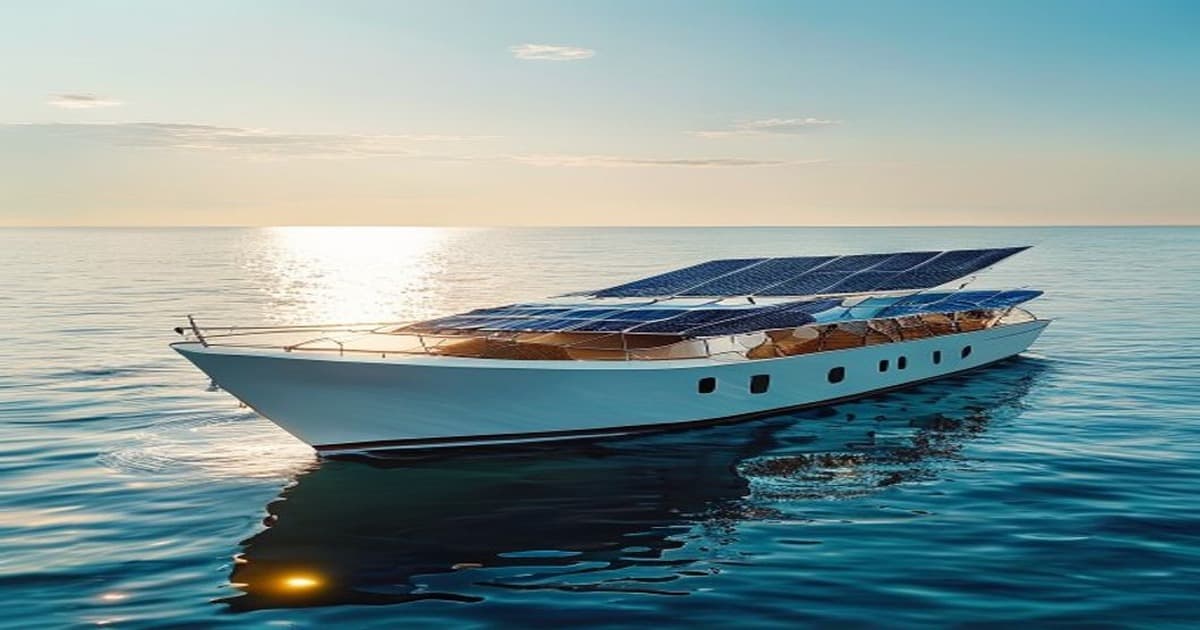
Setting up a solar-powered shed or workshop for marine use combines renewable energy with practical workspace needs. This guide walks you through the advantages, key components, and step‑by‑step installation tips to create a reliable off‑grid solution for boats, docks, or coastal facilities. You'll also find curated product links to help you source the right gear quickly and confidently.
Best Solar Powered Shed or Workshop Setup for Marine Applications 2026: A Comprehensive Guide
When you operate a marine business, hobby, or research station, having a dependable power source on the water—or right next to it—can make all the difference. A best solar powered shed or workshop setup for marine applications 2026 combines the durability needed for salty, humid environments with the independence of off‑grid solar energy. Whether you’re maintaining boats, charging electric tenders, running navigation equipment, or simply needing a clean workspace with lights and outlets, a solar‑powered shed provides a quiet, low‑maintenance solution that reduces reliance on noisy generators or costly shore power.
In this article we’ll explore why solar makes sense for marine sheds, how to choose the right system, what installation considerations matter most, and we’ll provide a curated list of trusted products—all via ready‑to‑click affiliate links—so you can start building your ideal setup today.
Introduction: Best Solar Powered Shed or Workshop Setup for Marine Applications 2026
The marine environment presents unique challenges: constant exposure to moisture, salt spray, temperature swings, and limited access to traditional electrical infrastructure. Traditional diesel generators are noisy, emit fumes, require frequent refueling, and demand regular maintenance—none of which are ideal near delicate ecosystems or residential marinas. Solar power, by contrast, offers silent operation, zero emissions, and minimal upkeep once installed.
A well‑designed solar powered shed or workshop can serve multiple purposes:
- Secure storage for tools, spare parts, and safety gear
- A climate‑controlled workspace for repairs, electronics work, or fish‑processing
- A charging station for electric outboards, trolling motors, or onboard batteries
- A hub for monitoring systems such as bilge pumps, security cameras, or weather stations
By integrating photovoltaic panels, battery storage, inverters, and charge controllers into a single sheltered unit, you create a self‑sufficient power node that can operate independently of the grid. This is especially valuable for remote docks, island marinas, aquaculture farms, or research stations where running electrical conduits is impractical or prohibitively expensive.
Throughout 2026, advances in panel efficiency, lithium‑iron‑phosphate (LiFePO4) battery longevity, and smart inverter technology have made these systems more affordable and easier to scale. The following sections break down the benefits, selection criteria, installation steps, and product recommendations to help you design the best solar powered shed or workshop setup for marine applications 2026 that fits your specific needs and budget.
Benefits of Solar Powered Sheds for Marine Applications
1. Environmental Stewardship
Marine ecosystems are highly sensitive to pollution. Solar power eliminates exhaust emissions, reduces the risk of fuel spills, and lowers noise pollution that can disturb wildlife and nearby residents. Choosing a solar setup aligns with growing regulatory pressures and community expectations for cleaner marinas.
2. Operational Cost Savings
While the upfront investment in solar hardware can be notable, the long‑term savings are substantial. Once installed, sunlight is free. You avoid ongoing fuel costs, generator maintenance, and potential marina slip fees for shore power. Over a typical 5‑ to 10‑year lifespan, a solar shed can pay for itself many times over.
3. Energy Independence and Reliability
Power outages at the marina or grid failures won’t halt your work. With adequate battery capacity, your shed can run essential loads for days or even weeks without sunlight. This reliability is crucial for emergency repairs, safety equipment, or live‑aboard situations.
4. Scalability and Modularity
Solar sheds can start small—a single panel charging a modest battery bank—and expand as your needs grow. Adding more panels, increasing battery capacity, or upgrading inverters is straightforward, allowing the system to evolve alongside your marine operation.
5. Increased Property Value
A well‑built, solar‑equipped shed adds functional and aesthetic value to a dockside property. Prospective buyers or renters often view off‑grid capabilities as a premium feature, especially in areas with unreliable grid access or high electricity rates.
Choosing the Right Solar Powered Shed or Workshop for Marine Applications
Selecting the ideal setup involves evaluating your power requirements, environmental conditions, budget, and desired features. Below are the key factors to consider.
Assess Your Load Profile
Begin by listing all devices you plan to power and their wattage ratings. Common marine workshop loads include:
- LED lighting (10‑50 W per fixture)
- Power tools (drills, saws, sanders: 300‑1500 W)
- Battery chargers for trolling motors or electric outboards (100‑600 W)
- Small refrigeration or refrigeration units (50‑150 W)
- Communication gear (VHF radios, AIS, satellite terminals: 10‑30 W)
- Monitoring sensors and cameras (5‑20 W each)
Calculate daily watt‑hours by multiplying each device’s wattage by expected hours of use per day. Add a 20 % buffer for inefficiencies and future expansion. This total determines the minimum solar array size and battery capacity you’ll need.
Select Appropriate Solar Panels
For marine environments, prioritize panels with:
- High efficiency (monocrystalline PERC or heterojunction designs)
- Corrosion‑resistant frames (anodized aluminum or stainless steel)
- Strong wind and snow load ratings (important for exposed docks)
- Optional flexible or semi‑flexible options if you need to mount on curved surfaces
The links below provide a range of panel options suitable for marine sheds:
- Monocrystalline Solar Panels on Amazon
- 500W Solar Panels on Amazon
- 400W Solar Panels on Amazon
- 350W Solar Panels on Amazon
- 500W Polycrystalline Solar Panels on Amazon
- SunPower Solar Panels on Amazon
- Renogy Solar Panels on Amazon
- Off-Grid Solar Panels on Amazon
- Solar Roof Panels on Amazon
- Solar Roof Panels on Amazon
Choose the Right Battery Storage
Lithium iron phosphate (LiFePO4) batteries dominate marine solar applications due to their:
- Long cycle life (3000‑5000 cycles at 80 % depth of discharge)
- Wide operating temperature range (‑20 °C to 60 °C)
- Low maintenance and no venting requirements
- Higher usable capacity compared to lead‑acid equivalents
Consider total capacity (in amp‑hours at your system voltage) and ensure the battery management system (BMS) includes protections against over‑charge, over‑discharge, short circuit, and temperature extremes.
Explore these battery and storage options:
- LiTime Lithium Batteries
- Solar Battery Storage on Amazon
- Power Queen LiFePO4 Batteries
- Redodo Power
- Sun Gold Power
Pick an Inverter and Charge Controller
A pure sine wave inverter is essential for sensitive electronics and AC power tools. Match the inverter’s continuous rating to your peak load, with a surge capacity for motor start‑ups.
An MPPT (Maximum Power Point Tracking) charge controller maximizes energy harvest from your panels, especially under varying sunlight angles and temperatures common on the water.
Find suitable components here:
- Solar Inverters on Amazon
- MPPT Solar Charge Controllers on Amazon
- Victron Solar Products on Amazon (known for robust marine‑grade inverters and controllers)
- Enphase Home Energy on Amazon
- SolarEdge Home Battery on Amazon
- SolarEdge Home Battery on Amazon
Consider Complete Kits and Portable Solutions
If you prefer a turnkey approach, look for pre‑bundled solar kits that include panels, charge controller, wiring, and sometimes batteries. Portable power stations can also serve as the heart of a smaller workshop, offering built‑in inverters, multiple outlets, and solar input.
Review these options:
- Complete Off-Grid Solar Kits on Amazon
- Portable Solar Generators on Amazon
- Solar Generators on Amazon
- Goal Zero Power Stations on Amazon
- EcoFlow Power Stations on Amazon
- Jackery Power Stations on Amazon
- EcoFlow Delta Pro on Amazon
- BLUETTI Portable Power Stations
- FOSSiBOT Portable Power Stations
- Jackery Solar Generators
- Nature's Generator Solar Systems
- ALLPOWERS Solar Products
- Eco-Worthy Solar Products
- Lectron EV Chargers (useful if you charge electric tenders or boats)
- Burchda Electric Bikes (if you need personal transport around the marina)
- Amazon Solar Products (a broad browse for additional items)
Installation and Setup Considerations
Even the best components will underperform if installed incorrectly. Marine‑specific installation demands attention to corrosion protection, secure mounting, and proper grounding.
1. Site Assessment and Preparation
- Location: Choose a spot with minimal shading from masts, rigging, or nearby structures. Ideally, orient the shed’s roof or panel array toward true south (in the Northern Hemisphere) for maximum annual yield.
- Foundation: Use pressure‑treated timber, marine‑grade aluminum, or composite decking to resist rot. Elevate the shed slightly above the deck or dock to allow airflow and prevent water pooling.
- Wind Load: Ensure the structure can withstand local wind speeds. Reinforce corners and consider diagonal bracing if the shed is tall or exposed.
2. Electrical Wiring and Protection
- Use marine‑grade tinned copper wire (e.g., ANMC-rated) for all DC connections to resist corrosion.
- Install DC disconnects and over‑current protection (fuses or circuit breakers) close to the battery bank.
- Ground the solar array frame and any metal structures to a common grounding point bonded to the vessel’s grounding system (if applicable) or a dedicated ground rod on the dock.
- Include surge protection devices (SPDs) on both DC and AC sides, especially in lightning‑prone areas.
3. Mounting Solar Panels
- Fixed Tilt Mounts: Simple and sturdy; set the tilt angle equal to your latitude for year‑round performance, or adjust seasonally if feasible.
- Pole Mounts: Elevate panels above the shed roof to avoid shading and improve airflow.
- Tracking Mounts: Dual‑axis trackers can boost yield by 20‑30 % but add complexity and moving parts that require maintenance in salty air.
- Adhesive or VHB Tape: For flexible panels on curved surfaces, use marine‑approved adhesives that maintain bond strength under UV exposure and temperature cycling.
4. Battery Installation and Ventilation
- Although LiFePO4 batteries emit minimal gas, install them in a ventilated compartment or use a vented enclosure to satisfy safety standards.
- Secure batteries with non‑conductive straps or trays to prevent shifting during vessel movement.
- Keep batteries at a stable temperature; consider insulating the battery box if the shed experiences extreme heat or cold.
5. System Monitoring and Maintenance
- Install a Battery Monitor (e.g., Victron BMV or similar) to track state of charge, voltage, and current.
- Use a Solar Charge Controller with Bluetooth or Wi‑Fi for remote monitoring via smartphone.
- Schedule quarterly inspections: check torque on mounting bolts, inspect wiring for corrosion, clean panel surfaces with fresh water and a soft cloth, and verify tightness of electrical connections.
- After severe storms, examine the structure for water ingress, loose fasteners, or panel damage.
6. Compliance with Regulations
- Verify local building codes, marina regulations, and any required electrical permits.
- If the shed is attached to a dock, ensure it does not impede navigation or violate setback requirements.
- For commercial operations, consult with a marine electrician to confirm compliance with NEC Article 555 (Marinas and Boatyards) and any applicable ABYC standards.
Conclusion
Creating the best solar powered shed or workshop setup for marine applications 2026 is an investment in sustainability, reliability, and operational efficiency. By carefully assessing your energy needs, selecting marine‑grade components, and following sound installation practices, you can build a self‑sufficient workspace that serves you for years—whether you’re maintaining a fleet of fishing vessels, running a marine research lab, or simply enjoying a quiet place to work on your passion projects by the water.
The product links provided throughout this guide offer a convenient starting point for sourcing panels, batteries, inverters, charge controllers, kits, and portable power stations. Remember to prioritize quality, warranty coverage, and compatibility with your specific marine environment.
Now is the perfect time to harness the sun’s energy and transform your dockside shed into a clean, quiet, and powerful hub for all your marine endeavors. Happy building—and may your skies stay clear and your batteries stay charged!
If you're serious about protecting your links, your data, and your brand, it's time to stop sharing raw URLs.
Start using Bilt.ly.
Get started free →