5 Signs Your Competitor Changed Their Pricing Before You Found Out
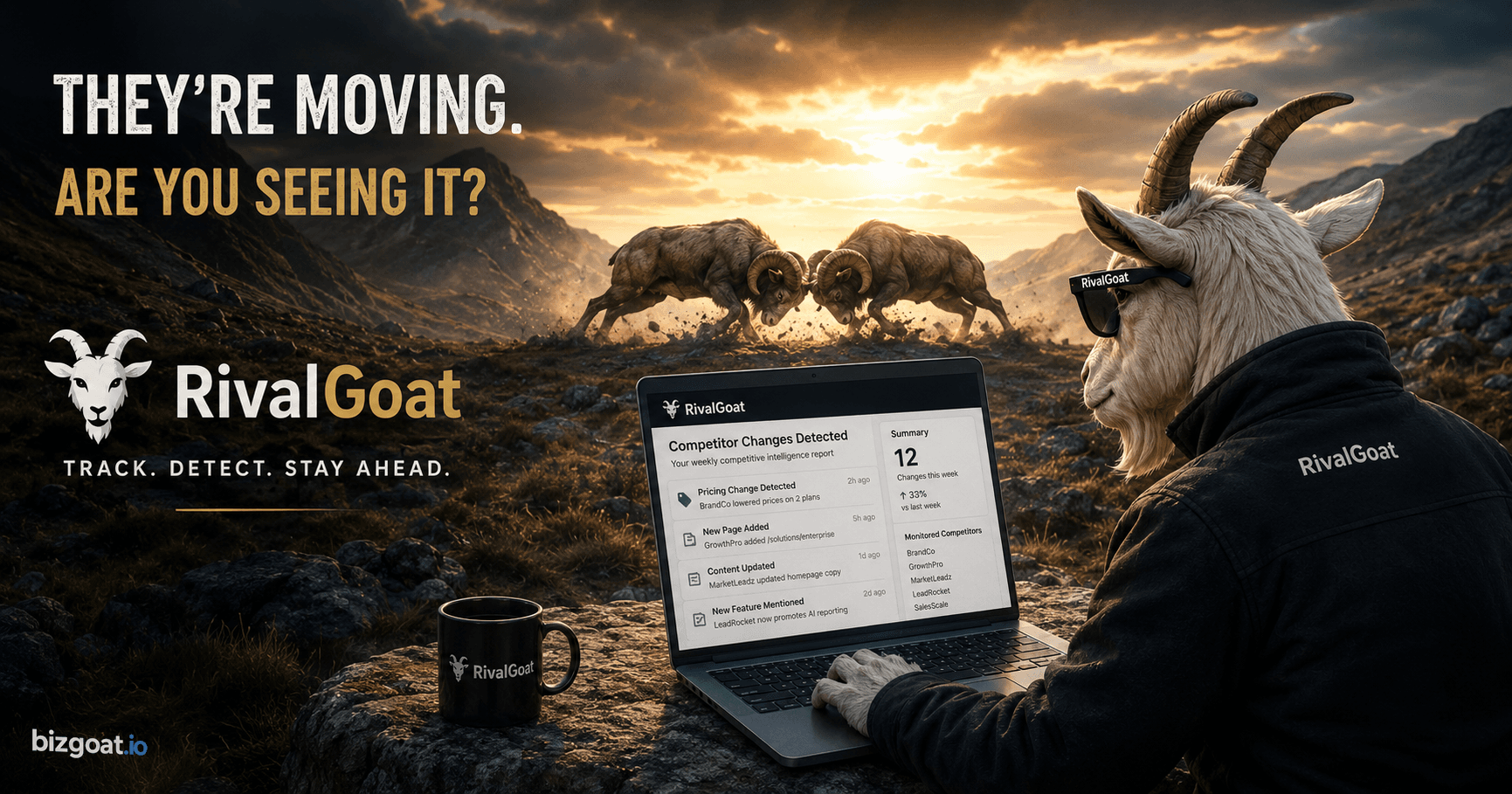
Missing competitor price changes costs businesses deals every day. Here are 5 signals you're behind and how to stay informed.
5 Signs Your Competitor Changed Their Pricing Before You Found Out
A potential customer compared your price to a competitor's. They went with the competitor because the competitor was $200 cheaper.
You didn't know they'd dropped their price.
This happens all the time, and most businesses don't find out until they lose a deal.
Why Competitors Matter More Than You Think
Your pricing isn't fixed in a vacuum. Customers compare. They always compare.
When a competitor drops their price, it doesn't just affect that one deal. It creates momentum. Other customers notice. Word spreads in your industry.
If you're the last to know, you're the last to adapt.
Sign 1: You're Losing Deals to Price
This is the clearest signal. A customer says "your competitor is cheaper" and you have no context for what that means.
Were they always cheaper? Did they just drop the price? What changed? Without that information, you can't make an intelligent decision. You don't know if you're in a price war or if you just lost this one deal.
Sign 2: Sales Cycles Are Getting Longer
More back-and-forth before someone closes. More "let me think about it" messages. That's often because they're comparing you to three other options, and one of those options just changed their pricing to undercut everyone else.
You don't see it, but your sales team feels it. Deals take longer.
Sign 3: Customer Churn Without Clear Reason
A customer who's been with you for two years switches. When you ask why, it's vague: "we're trying something else," "budget reasons," "going in a different direction."
Often, it's because they discovered a competitor is cheaper, and nobody's told you about it.
Sign 4: Your Competitors' Websites Look Different
Their homepage changed. New testimonials. Different copy. These are signals that something shifted.
Maybe they're repositioning. Maybe they're targeting a different market. Maybe they're trying to justify new pricing.
You might notice it, but you probably don't track it. You see it once and move on. If you're tracking it systematically, you catch these moments and understand what's happening in your market.
Sign 5: Industry Rumors Before Official Announcements
You hear through the grapevine that a competitor is dropping prices, but they haven't announced it yet.
You scramble to figure out what's real and what's gossip. If you had data, you wouldn't need gossip.
Why Manual Monitoring Fails
You could visit each competitor's website every week. Check their pricing. Read their new copy. Track their changes.
Who's going to do that? You've got a business to run. So you don't.
You find out about competitor changes by accident, or when you lose a deal, or when a customer mentions it.
What Systematic Monitoring Reveals
When you track competitor changes automatically, you start to see patterns. One competitor raised prices in Q3. Another added a new service tier. A third changed their homepage messaging.
These changes mean something. They're signals about the market. You can't respond to what you don't see.
Real Examples
A marketing agency discovered their main competitor added a "done-for-you" tier and dropped the DIY tier. That meant the competitor was moving upmarket. The agency adjusted their messaging to compete at that level.
An e-commerce fulfillment company found out a competitor dropped their per-unit fee 15% but raised their monthly minimum. That wasn't a price drop for everyone, just for high-volume customers. The company learned which segments their competitor was targeting.
A SaaS company tracked when competitors added AI features to their product messaging. They accelerated their own AI roadmap and stayed relevant instead of falling behind.
Start Seeing What You're Missing
Your competitors are moving. Probably right now. You're just not seeing it.
RivalGoat monitors competitor websites automatically and tells you what changed. New pricing. New pages. Updated copy. You get a report instead of a guessing game.
That's the information advantage you need to stay competitive.
If you're serious about protecting your links, your data, and your brand, it's time to stop sharing raw URLs.
Start using Bilt.ly.
Get started free →