Marine Solar Charging System: A Complete Guide for 2026
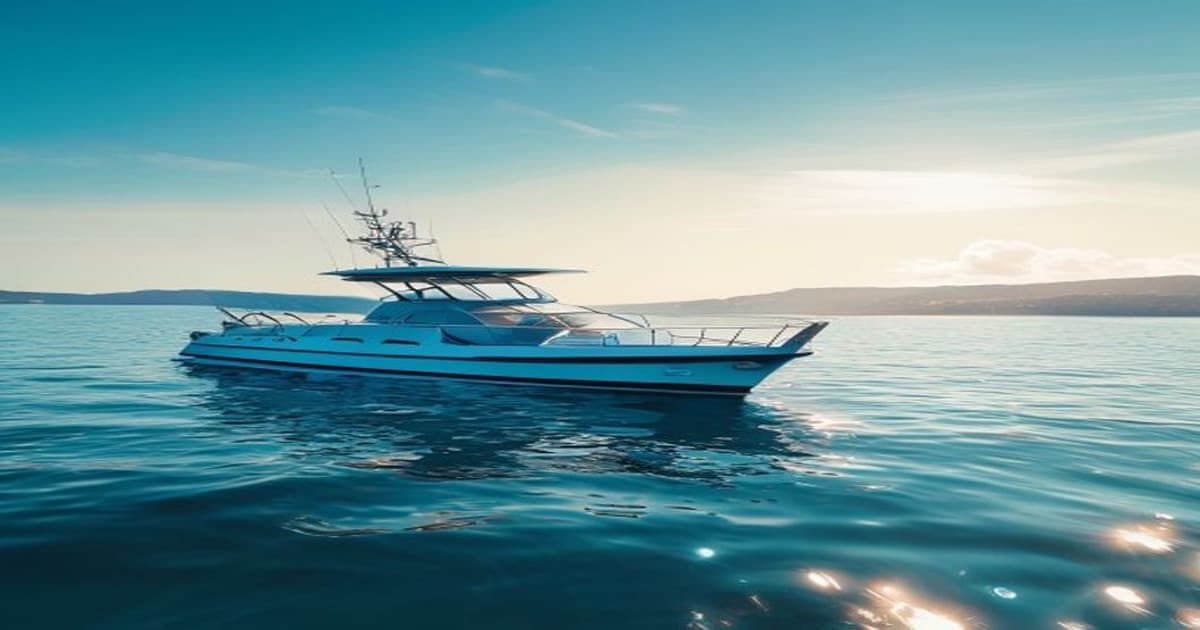
A marine solar charging system provides clean, reliable power for boats, reducing fuel use and emissions. This guide covers benefits, key components, installation steps, and maintenance tips for 2026 sailors.
Marine Solar Charging System: A Complete Guide for 2026
As more boat owners look for sustainable ways to power their vessels, the marine solar charging system has moved from a niche upgrade to a mainstream solution. In 2026, advances in photovoltaic technology, lightweight marine-grade panels, and smart battery management make it easier than ever to harness sunlight while you’re at sea. Whether you sail a small dinghy, a cruiser, or a liveaboard yacht, integrating solar can cut fuel costs, lower your carbon footprint, and provide quiet, dependable electricity for navigation, refrigeration, lighting, and communication gear.
This article walks you through everything you need to know about marine solar charging systems: the core benefits, how to choose the right setup, installation best practices, and ongoing maintenance. Throughout, you’ll find trusted product recommendations—each linked directly to reputable retailers so you can shop with confidence.
Introduction to Marine Solar Charging Systems
A marine solar charging system consists of solar panels mounted on a boat, a charge controller to regulate power flow, batteries to store energy, and often an inverter to convert DC to AC for household appliances. Unlike traditional generators that rely on diesel or gasoline, solar panels produce electricity silently and without emissions, making them ideal for environmentally conscious mariners and those who prefer quiet anchorage.
The concept is simple: sunlight hits the photovoltaic cells in the panels, generating direct current (DC). A maximum power point tracking (MPPT) charge controller optimizes that DC power before sending it to a battery bank. Stored energy can then be used directly for DC loads or converted via an inverter for AC devices. Modern systems often include monitoring apps that let you track production and consumption in real time from your smartphone.
Because marine environments expose equipment to salt, moisture, and vibration, components must be specifically rated for marine use. Look for panels with corrosion‑resistant frames, sealed junction boxes, and UV‑stable encapsulation. Batteries should be deep‑cycle, preferably lithium iron phosphate (LiFePO₄), which offers superior cycle life and safety compared to lead‑acid.
Benefits of Marine Solar Charging Systems
Installing a solar charging system on your boat delivers multiple advantages that go beyond simple electricity generation.
Reduced Fuel Consumption and Operating Costs
One of the most tangible benefits is decreased reliance on onboard generators. A well‑sized solar array can cover a significant portion of daily power needs—especially for lighting, navigation electronics, and refrigeration—allowing you to run the generator far less often. Over a season, this can translate into hundreds of dollars saved on fuel and maintenance.
Lower Emissions and Quieter Operation
Solar power produces no exhaust fumes, helping you meet increasingly strict emissions regulations in marinas and protected waterways. Silent operation also enhances the onboard experience, letting you enjoy the natural sounds of waves and wildlife without the constant hum of a generator.
Energy Independence and Extended Off‑Grid Capability
With sufficient solar capacity and battery storage, you can remain anchored for days without needing shore power or generator runtime. This is especially valuable for cruisers exploring remote anchorages, liveaboards who prefer minimal dock time, and sailors participating in long‑distance races where resupply is impossible.
Increased Resale Value
Boats equipped with professionally installed solar systems often command higher resale prices. Buyers recognize the long‑term savings and eco‑friendly appeal, making your vessel stand out in a competitive market.
Scalability and Future‑Proofing
Marine solar systems are modular. You can start with a small 100‑watt panel to top off batteries and expand later as your power needs grow or as more efficient panels become available. Many modern charge controllers support multiple inputs, making it easy to add panels or even integrate a wind turbine down the line.
Choosing the Right Marine Solar Charging System
Selecting the appropriate solar setup involves evaluating your boat’s size, typical power consumption, available mounting space, and budget. Below we break down the key components and what to look for in each.
Solar Panels: Monocrystalline vs. Polycrystalline
For marine applications, monocrystalline panels are generally preferred due to their higher efficiency and better performance in low‑light conditions—common during early mornings, overcast days, or shaded anchorage. Look for panels with efficiencies above 20 % and a sturdy aluminum frame rated for salt‑water exposure.
If you need a cost‑effective option for larger surfaces where space isn’t at a premium, polycrystalline panels can still work, though they require more area to produce the same wattage.
Recommended panels:
- Monocrystalline Solar Panels on Amazon
- 500W Solar Panels on Amazon
- 400W Solar Panels on Amazon
- 350W Solar Panels on Amazon
- 500W Polycrystalline Solar Panels on Amazon
- SunPower Solar Panels on Amazon
- Renogy Solar Panels on Amazon
- Off-Grid Solar Panels on Amazon
Charge Controllers: MPPT Essentials
An MPPT charge controller extracts up to 30 % more energy from your panels compared to older PWM (pulse‑width modulation) models, especially when panel voltage exceeds battery voltage. For marine use, choose a controller with a rugged, waterproof enclosure (IP65 or higher) and built‑in Bluetooth or Wi‑Fi for remote monitoring.
Recommended controllers:
Battery Storage: Lithium vs. Lead‑Acid
Lithium iron phosphate (LiFePO₄) batteries have become the gold standard for marine solar systems. They offer:
- 3,000‑5,000+ charge cycles vs. 300‑500 for lead‑acid
- Nearly 100 % usable capacity (lead‑acid is typically limited to 50 %)
- Lightweight construction—critical for maintaining vessel stability
- Built‑in battery management systems (BMS) that protect against over‑charge, over‑discharge, and temperature extremes
If budget is a primary concern, high‑quality AGM (absorbent glass mat) lead‑acid batteries can still serve smaller systems, but expect to replace them more frequently.
Recommended batteries:
Inverters: Converting DC to AC
Most marine appliances—microwave ovens, coffee makers, entertainment systems—run on AC power. A pure sine wave inverter ensures compatibility with sensitive electronics and reduces electrical noise. Size the inverter based on the peak wattage of the devices you plan to run simultaneously, adding a 20‑25 % safety margin.
Recommended inverters:
Portable Power Stations and Solar Generators
For smaller boats, tenders, or as a backup, portable power stations with integrated solar input offer plug‑and‑play convenience. These units combine a battery, inverter, and charge controller in a single rugged case. Many models now support solar input up to 200 W, allowing you to recharge while anchored or at a dock.
Recommended portable options:
- Portable Solar Generators on Amazon
- Solar Generators on Amazon
- Jackery Power Stations on Amazon
- EcoFlow Power Stations on Amazon
- Goal Zero Power Stations on Amazon
- BLUETTI Portable Power Stations
- EcoFlow Delta Pro on Amazon
- FOSSiBOT Portable Power Stations
- Jackery Solar Generators
- Nature's Generator Solar Systems
- ALLPOWERS Solar Products
Monitoring and Smart Features
Modern marine solar systems often include smartphone apps that display real‑time voltage, current, power production, and state of charge. Some advanced controllers can even auto‑adjust charging parameters based on battery temperature and usage patterns, extending battery life and optimizing performance.
Installation and Maintenance of Marine Solar Charging Systems
Proper installation is critical to ensure safety, reliability, and longevity, and optimal performance. Below is a step‑by‑step overview tailored to marine environments.
1. Conduct a Load Audit
List all DC and AC devices you intend to power, noting their wattage and average daily usage hours. Calculate total daily watt‑hours (Wh). This figure determines the minimum solar array size and battery capacity you’ll need.
2. Select Mounting Locations
Panels should be installed where they receive maximum unobstructed sunlight throughout the day. Common spots include:
- Hardtop or bimini tops
- Cabin roof or coach roof
- Radar arches
- Custom‑built solar gantries
Use marine‑grade stainless‑steel or aluminum mounting brackets, and apply a high‑quality marine sealant around all penetrations to prevent leaks.
3. Wire the System
Use tinned copper marine wire sized according to the current (ampacity) and distance to minimize voltage drop. For solar arrays, a typical gauge is 10‑12 AWG for runs under 20 feet; longer runs may require thicker wire. Include appropriate fuses or circuit breakers near the battery bank and at the solar array’s positive line.
4. Install the Charge Controller
Mount the MPPT controller in a dry, ventilated location close to the batteries but away from direct spray. Connect the solar array to the controller’s PV input, then connect the controller’s output to the battery bank, observing correct polarity.
5. Connect Batteries and Inverter
Wire the battery bank in series or parallel to achieve the desired voltage and capacity. Connect the inverter to the battery bank using heavy‑gauge cable and an inline fuse. If you have both DC and AC loads, consider using a distribution panel with separate breakers for each.
6. Configure and Test
Program the charge controller according to the battery manufacturer’s specifications (absorption voltage, float voltage, equalization if applicable). Turn on the system and verify that the panels are charging the batteries, that the inverter outputs clean AC power, and that any monitoring apps communicate correctly.
7. Establish a Maintenance Routine
- Monthly: Inspect panel surfaces for salt buildup, bird droppings, or debris; clean with fresh water and a soft cloth. Check wiring connections for tightness and signs of corrosion.
- Quarterly: Test battery voltage and specific gravity (if using flooded lead‑acid) or check BMS readouts for lithium batteries. Verify that the charge controller’s firmware is up to date.
- Annually: Have a marine electrician perform a comprehensive inspection, including insulation resistance testing and verification of grounding systems.
By following these steps, your marine solar charging system will deliver dependable power for years to come, reducing your reliance on fossil fuels and enhancing your cruising experience.
Conclusion
Investing in a marine solar charging system in 2026 is more than an eco‑friendly upgrade—it’s a smart financial decision that boosts independence, lowers operating costs, and adds value to your boat. From selecting high‑efficiency monocrystalline panels and LiFePO₄ batteries to installing a robust MPPT charger and pure sine wave inverter, each component plays a vital role in creating a seamless, silent power supply.
Whether you’re outfitting a modest daysailer or a full‑time liveaboard yacht, the modular nature of solar lets you start small and expand as your needs evolve. With the recommended products linked throughout this guide—such as the LiTime Lithium Batteries, Complete Off-Grid Solar Kits on Amazon, Solar Inverters on Amazon, MPPT Solar Charge Controllers on Amazon, and Portable Solar Generators on Amazon—you have a trusted starting point for building a system that will keep your batteries topped off and your adventures powered by the sun.
Embrace the freedom of silent, clean energy on the water, and let your marine solar charging system become the quiet heartbeat of your vessel in 2026 and beyond.
If you're serious about protecting your links, your data, and your brand, it's time to stop sharing raw URLs.
Start using Bilt.ly.
Get started free →