Essential Marine Solar Charging System Setup for 2026: A Comprehensive Guide
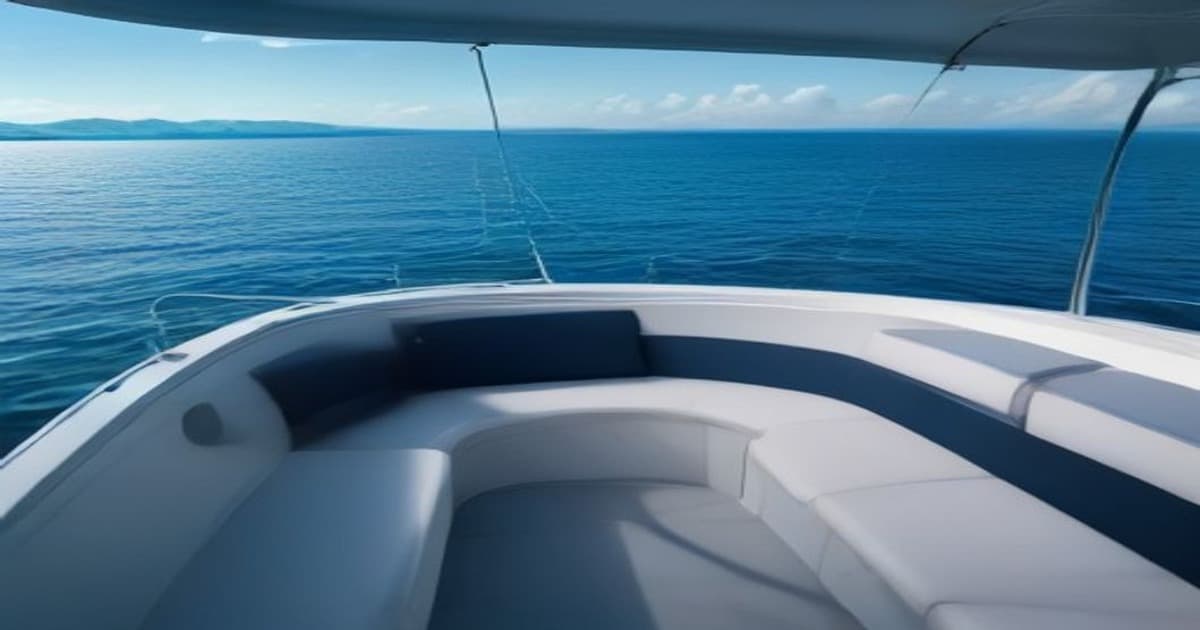
Setting up a marine solar charging system in 2026 is easier than ever with high‑efficiency panels, waterproof MPPT controllers, and durable lithium batteries. This guide walks you through every step—from selecting the right gear to wiring and maintenance—so you can enjoy silent, clean power on the water while reducing your carbon footprint.
Essential Marine Solar Charging System Setup for 2026: A Comprehensive Guide
As boaters seek quieter, greener ways to power electronics, refrigeration, and propulsion, the marine solar charging system setup for 2026 has become a top priority. Modern technology delivers rugged, high‑efficiency components that withstand salt spray, vibration, and constant motion. Whether you’re outfitting a small fishing boat, a cruising sailboat, or a live‑aboard yacht, a well‑designed solar array can keep your batteries topped up, reduce generator runtime, and lower operating costs. In this guide we break down the key components, show you how to choose the right panels and charge controllers, walk through installation and wiring, and share tips for maximizing performance. Throughout, you’ll find trusted product recommendations—each linked directly to reliable Amazon sources—so you can shop with confidence.
Understanding the Key Components of a Marine Solar Charging System Setup for 2026
A functional marine solar charging system consists of several core parts working together: solar panels that harvest sunlight, a charge controller that regulates voltage and current to the batteries, a battery bank that stores energy, and the wiring, fuses, and monitoring hardware that tie everything together. For marine environments, each component must be corrosion‑resistant, waterproof, and vibration‑tolerant.
Start with a solid foundation by exploring Complete Off-Grid Solar Kits on Amazon. These kits often bundle panels, controllers, and mounting hardware, giving you a convenient starting point. Pair them with a reliable battery bank such as LiTime Lithium Batteries or Power Queen LiFePO4 Batteries for deep‑cycle performance and long life.
The heart of the system is the charge controller. An MPPT (Maximum Power Point Tracking) controller extracts up to 30 % more energy than a PWM unit, especially important when panels are partially shaded or angled incorrectly. Look for marine‑rated models via MPPT Solar Charge Controllers on Amazon. To protect your batteries and appliances, include proper fusing and disconnects, and consider a battery monitor for real‑time state‑of‑charge data.
Solar panels themselves must survive the harsh marine environment. Monocrystalline panels with ETFE coatings offer high efficiency and excellent durability. Browse options like Monocrystalline Solar Panels on Amazon or check out specialized marine brands through Nature's Generator Solar Systems. For a broader view of what’s available, the general catalog at Amazon Solar Products lets you compare sizes, wattages, and prices.
Other useful components that may appear in a marine setup include power stations for backup or portable use, such as Portable Solar Generators on Amazon and Solar Battery Storage on Amazon. Inverters convert DC battery power to AC for household appliances; see Solar Inverters on Amazon for pure sine wave options suitable for sensitive electronics.
By grasping how each piece interacts, you lay the groundwork for a system that delivers reliable, silent power year after year.
Choosing the Right Solar Panels and Charge Controllers for Your Marine Solar Charging System Setup for 2026
Selecting panels and controllers involves balancing available space, energy needs, budget, and environmental conditions. Begin by estimating your daily amp‑hour consumption: list all DC loads (lights, pumps, navigation equipment, refrigeration) and any AC loads you plan to run through an inverter. Multiply each load’s wattage by hours of use, sum the totals, and add a 20 % margin for inefficiencies and cloudy days.
With your daily amp‑hour target in hand, calculate the required solar wattage. A rule of thumb for marine installations is to size the array to produce about 1.2 – 1.5 times your daily amp‑hour demand, accounting for lower sun angles and occasional shading. For example, if you need 100 Ah per day at 12 V (1 200 Wh), aim for a 300 – 400 W solar array.
When shopping for panels, consider both wattage and physical dimensions. High‑output options like 500W Solar Panels on Amazon and 400W Solar Panels on Amazon deliver substantial power in a relatively compact footprint—ideal for limited deck or bimini space. If you have more area, lower‑wattage panels such as 350W Solar Panels on Amazon or 500W Polycrystalline Solar Panels on Amazon can be cost‑effective while still meeting your goals.
Don’t overlook specialized panel types. For curved or irregular surfaces, flexible or semi‑flexible panels work well; look under Solar Roof Panels on Amazon and the alternative listing Solar Roof Panels on Amazon for different mounting approaches. If you prefer premium efficiency, SunPower Solar Panels on Amazon and Renogy Solar Panels on Amazon are excellent choices. For budget‑friendly yet reliable options, explore Off-Grid Solar Panels on Amazon and Victron Solar Products on Amazon.
The charge controller must match your panel voltage and battery bank voltage. Most marine systems run 12 V or 24 V batteries; ensure the controller’s input voltage exceeds your panel’s open‑circuit voltage (Voc) and its output suits your battery chemistry. MPPT controllers are strongly recommended; in addition to the generic link above, you can find specific models through retailers like EcoFlow Power Stations on Amazon and Goal Zero Power Stations on Amazon, which often include built‑in controllers and inverters for an all‑in‑one solution.
For those who also want to charge electric tenders or accessories, consider an EV charger such as Lectron EV Chargers if you have a dockside power source, though most marine solar setups focus on DC charging.
Energy storage is equally critical. Lithium iron phosphate (LiFePO4) batteries dominate the marine market due to their lightweight, deep‑discharge capability, and long cycle life. Besides the LiTime and Power Queen links already noted, you’ll find additional options like Redodo Power and Sun Gold Power. If you prefer a portable power station for backup or auxiliary uses, check out BLUETTI Portable Power Stations, Eco-Worthy Solar Products, Jackery Solar Generators, and FOSSiBOT Portable Power Stations.
Finally, don’t forget safety and monitoring gear. Proper gauge tinned copper wiring, marine‑grade connectors, fuse blocks, and a battery monitor (many are integrated into modern MPPT controllers) will keep your system safe and give you peace of mind. You can source many of these items under the broader Amazon Solar Products category or look for specific kits that include them.
By carefully matching panel output, controller specs, and battery capacity to your calculated load, you’ll create a marine solar charging system that performs reliably in 2026 and beyond.
Installing and Wiring Your Marine Solar Charging System
Installation is where careful planning pays off. Begin by selecting a mounting location that maximizes sun exposure while minimizing shading from masts, rigging, or antennas. Common spots include bimini tops, hardtops, pilothouse roofs, and dedicated solar arches. Use marine‑grade stainless‑steel or aluminum mounting brackets; many kits include these, but you can also source them separately.
Before fastening panels, dry‑fit the layout to confirm spacing and wire routes. When you’re ready, attach the mounting feet with appropriate sealant (e.g., 3M 5200) to prevent leaks. Then secure the panels with bolts, ensuring they are snug but not over‑tightened, which could crack the glass.
Next, run the solar array’s output wires to the charge controller. Use PV‑rated wire (typically 10‑12 AWG for arrays under 200 W, stepping up to 8‑6 AWG for larger systems) with UV‑resistant insulation. Keep the positive and negative conductors separate, and run them through a conduit or loom to protect against chafing. Install a solar disconnect switch or fuse near the panels for easy isolation.
Connect the controller’s output to the battery bank, again using appropriately sized cable (often 6‑4 AWG for 12 V systems up to 200 Ah). Place a fuse or circuit breaker on the positive line within 18 inches of the battery terminal—a critical safety measure. If you have a battery monitor, attach its shunt to the negative lead as per manufacturer instructions.
For systems that include an inverter, run DC cables from the battery bank to the inverter, observing the same fuse‑near‑battery rule. AC output from the inverter can then feed standard marine outlets or appliances. Ensure the inverter is mounted in a ventilated, dry location.
After all connections are made, double‑check polarity with a multimeter before energizing the system. Then, expose the panels to sunlight and watch the controller’s display: you should see charging voltage and current rise. Monitor battery voltage over the first few hours to confirm proper absorption and float stages.
Finally, label all wires, switches, and breakers for future troubleshooting. Create a simple wiring diagram and store it aboard for reference. With a solid install, your marine solar charging system will require minimal maintenance—primarily occasional cleaning of the panels and inspection of connections.
Tips and Tricks for Maximizing Your Solar Power and Reducing Your Carbon Footprint
Even the best‑designed system can benefit from a few operational tweaks. First, keep your panels clean. Salt spray, bird droppings, and dust can reduce efficiency by up to 20 %. Rinse with fresh water and a soft cloth weekly, or after each outing if you’ve been in particularly harsh conditions.
Second, adjust panel angle when possible. Many marine mounts allow tilt adjustment; aiming the panels directly at the sun during peak hours (typically 10 am‑2 pm) can boost yield significantly. If your boat is often at anchor, consider a simple adjustable mount or a solar tracker designed for marine use.
Third, manage your loads wisely. Run high‑draw appliances (e.g., air conditioning, watermakers) during peak solar production, and shift lesser tasks to early morning or late afternoon when solar input is lower. Using energy‑efficient LED lighting and variable‑speed pumps reduces overall demand, letting your solar array cover a larger share of consumption.
Fourth, take advantage of modern monitoring. Many MPPT controllers offer Bluetooth or Wi‑Fi connectivity, letting you view real‑time data on a smartphone or tablet. Set alerts for low battery voltage or high temperature to catch issues early.
Fifth, consider hybrid approaches. While solar can cover most daily needs, a small, efficient generator or alternator can provide backup during extended cloudy periods. Using solar as the primary source reduces generator runtime, cutting fuel consumption, emissions, and noise—a win for both your wallet and the environment.
Sixth, explore complementary technologies. Some boaters pair solar with hydrogenerators (water‑driven turbines) or wind generators for added diversity. Even a modest wind turbine can contribute noticeable charge during breezy anchorage.
Lastly, stay informed about advancements. The marine solar market evolves quickly; new panel technologies, higher‑density batteries, and smarter controllers appear regularly. Periodically revisit product listings—such as those linked throughout this guide—to see if upgrades make sense for your setup.
By combining thoughtful installation, diligent maintenance, and smart energy habits, you’ll enjoy silent, clean power that enhances your boating experience while minimizing your ecological footprint.
Conclusion
A well‑executed marine solar charging system setup for 2026 transforms your boat into a self‑sufficient, eco‑friendly platform. You’ve learned about the essential components—from rugged monocrystalline panels and MPPT charge controllers to durable lithium batteries and proper wiring—and how to select them based on your specific power needs. We walked through a step‑by‑step installation process, emphasizing marine‑grade materials, correct fusing, and safety checks. Finally, we shared practical tips for maximizing output, maintaining efficiency, and reducing reliance on fossil fuels.
Now it’s time to put this knowledge into action. Use the trusted product links provided throughout this article to source the right gear for your vessel. Whether you opt for a complete off‑grid kit, a flexible solar array, or a portable power station for backup, each choice brings you closer to quiet, clean, and cost‑effective power on the water.
Fair winds and following seas—and may your batteries stay full thanks to the sun!
If you're serious about protecting your links, your data, and your brand, it's time to stop sharing raw URLs.
Start using Bilt.ly.
Get started free →