Solar Powered Shed or Workshop Setup for Marine Applications: A Comprehensive Guide
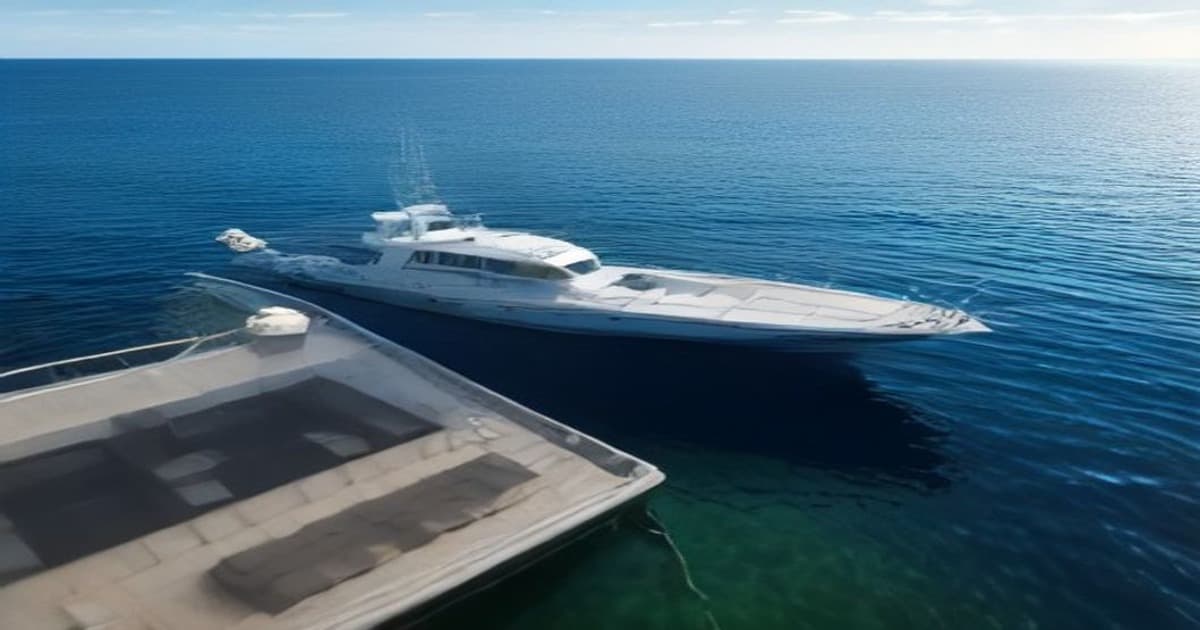
A solar powered shed or workshop can provide reliable, off-grid electricity for boat maintenance, fishing gear charging, and onboard workshops. This guide walks you through selecting the right components, installation best practices, and ongoing maintenance to keep your marine workspace powered year-round.
Solar Powered Shed or Workshop Setup for Marine Applications: A Comprehensive Guide
As more boat owners and marine enthusiasts look to extend their time on the water, a solar powered shed or workshop setup for marine applications has become an increasingly popular solution. In 2026, advances in photovoltaic technology, lithium battery storage, and smart inverters make it easier than ever to create a reliable, off‑grid power hub right next to your dock or marina slip. Whether you need to run power tools for boat repairs, charge batteries for trolling motors, or keep lighting and ventilation running in a workshop, a well‑designed solar system can eliminate the need for noisy generators and costly shore‑power hookups.
This guide walks you through every stage of planning and building a solar powered shed or workshop tailored to the marine environment. We’ll cover the key benefits, help you choose the right solar panels and inverters, outline installation best practices, and share maintenance tips to keep your system performing at peak efficiency for years to come.
Benefits of Solar Powered Shed or Workshop Setup for Marine Applications
Investing in a solar powered shed or workshop offers numerous advantages for marine users. First and foremost, it provides silent, emission‑free power—a critical consideration when you’re working near water where fumes and noise can disturb wildlife and nearby boats. Solar energy also reduces reliance on marina electrical hookups, which can be expensive or unavailable at remote anchorage sites.
A well‑sized system can keep essential equipment running continuously. For example, you can power a battery charger for your LiTime Lithium Batteries (LiTime Lithium Batteries) to ensure your house bank stays topped off, or run a small air compressor for cleaning hulls without firing up a diesel generator. The modular nature of solar kits means you can start small and expand as your needs grow; many boaters begin with a Complete Off-Grid Solar Kit on Amazon (Complete Off-Grid Solar Kits on Amazon) and later add extra panels or storage.
From a financial perspective, solar power pays off over time. While the upfront cost of panels, inverters, and batteries may seem significant, the elimination of fuel expenses, generator maintenance, and shore‑power fees often results in a return on investment within three to five years. Additionally, many marine insurance providers offer discounts for vessels equipped with renewable energy systems, recognizing the reduced fire risk and environmental impact.
Finally, a solar powered workshop enhances safety and convenience. Having reliable lighting and power outlets at your workbench means you can perform detailed repairs after dark, charge navigation electronics, and even run a small refrigerator for storing bait or catch. The ability to operate independently of the grid also adds resilience during storms or power outages that can knock out marina electricity for days.
Choosing the Right Solar Panels and Inverters for Marine Applications
Selecting appropriate components is the foundation of a durable marine solar system. The salty, humid environment demands hardware that can resist corrosion, UV degradation, and mechanical vibration. When shopping for panels, prioritize monocrystalline designs for their higher efficiency and better performance in low‑light conditions—common during overcast mornings or evenings on the water. You’ll find a wide selection of Monocrystalline Solar Panels on Amazon (Monocrystalline Solar Panels on Amazon) that are specifically rated for marine use.
If you have limited roof or shed space, consider higher‑wattage options to maximize output per square foot. Products like the 500W Solar Panels on Amazon (500W Solar Panels on Amazon) and the 400W Solar Panels on Amazon (400W Solar Panels on Amazon) allow you to generate substantial power without covering every inch of available surface. For those who prefer a polycrystalline alternative due to budget constraints, the 500W Polycrystalline Solar Panels on Amazon (500W Polycrystalline Solar Panels on Amazon) offer a solid balance of cost and performance.
When it comes to inverters, the choice between a string inverter and microinverters can affect both efficiency and reliability. Microinverters, such as those offered under Enphase Home Energy on Amazon (Enphase Home Energy on Amazon), convert DC to AC at each panel, minimizing losses caused by shading or panel mismatch—a common issue when a mast or rigging casts intermittent shadows. For larger setups, a robust string inverter from the Solar Inverters on Amazon (Solar Inverters on Amazon) line provides high power handling and straightforward wiring.
Don’t overlook the importance of a quality charge controller. An MPPT (Maximum Power Point Tracking) controller can harvest up to 30% more energy than a PWM unit, especially valuable when battery voltages fluctuate. The MPPT Solar Charge Controllers on Amazon (MPPT Solar Charge Controllers on Amazon) are widely used in marine installations for their ability to handle wide input ranges and provide multiple charging profiles tailored to lithium, AGM, and gel batteries.
Beyond panels and inverters, consider integrating a dedicated power station for backup or portable needs. Options like the Goal Zero Power Stations on Amazon (Goal Zero Power Stations on Amazon), EcoFlow Power Stations on Amazon (EcoFlow Power Stations on Amazon), and the Jackery Power Stations on Amazon (Jackery Power Stations on Amazon) provide plug‑and‑play AC outlets, USB ports, and DC outputs that can run tools, charge batteries, or power small appliances without permanent wiring. For those seeking the latest high‑capacity units, the EcoFlow Delta Pro on Amazon (EcoFlow Delta Pro on Amazon) delivers up to 3.6kWh of storage and 3600W output—ideal for running a table saw or welder in a workshop.
If you prefer a turnkey solution, many manufacturers offer complete solar generator bundles. The Nature's Generator Solar Systems (Nature's Generator Solar Systems) and the BLUETTI Portable Power Stations (BLUETTI Portable Power Stations) combine panels, batteries, and inverters in a single, weather‑resistant enclosure that can be placed on a dock or tucked into a shed corner.
When evaluating brands, look for those with proven marine durability. Victron Solar Products on Amazon (Victron Solar Products on Amazon) are renowned for their rugged build quality and comprehensive monitoring capabilities, while SunPower Solar Panels on Amazon (SunPower Solar Panels on Amazon) offer industry‑leading efficiency ratings that translate to more power per square foot—a premium worth considering if space is at a premium.
For those interested in integrating EV charging into their marine workshop—perhaps to power an electric tender or a Burchda Electric Bike (Burchda Electric Bikes)—the Lectron EV Chargers (Lectron EV Chargers) provide a safe, code‑compliant way to deliver AC power to your vehicle’s onboard charger. Pairing an EV charger with a solar‑plus‑storage system ensures you’re drawing clean energy rather than relying on grid power that may be sourced from fossil fuels.
Lastly, don’t forget about auxiliary power needs. Even a modest solar setup can benefit from supplemental products like the ALLPOWERS Solar Products (ALLPOWERS Solar Products), Eco-Worthy Solar Products (Eco-Worthy Solar Products), and Jackery Solar Generators (Jackery Solar Generators) to keep lighting, radios, and small appliances running during extended periods of low sunlight.
Installing a Solar Powered Shed or Workshop for Marine Applications
Proper installation is critical to ensure safety, longevity, and optimal performance of your marine solar system. Begin by assessing the structural integrity of your shed or workshop roof. Marine environments can exert additional loads from wind, salt spray, and occasional wave impact, so reinforce framing if necessary before mounting panels. Use stainless‑steel or marine‑grade aluminum mounting hardware to resist corrosion.
When laying out the array, aim for a tilt angle that maximizes annual sun exposure based on your latitude, while also allowing rain and salt to runoff easily. A slight tilt (typically 10‑15 degrees) helps prevent water pooling, which can lead to premature degradation of panel seals and framing. If roof space is limited, consider installing panels on a separate tilt‑rack or even on a floating dock platform, provided the structure can support the weight and you have secure anchoring.
Wiring must be done with UV‑resistant, marine‑rated cable. Use MC4 connectors that are rated for outdoor exposure, and run conduit wherever cables pass through walls or ceilings to protect against chafing and water ingress. All outdoor connections should be sealed with silicone or marine‑grade adhesive to prevent salt creep. Incorporate a DC disconnect switch near the array and another near the battery bank to allow safe isolation for maintenance.
Battery placement is another key consideration. Lithium batteries, such as the Power Queen LiFePO4 Batteries (Power Queen LiFePO4 Batteries) or the Redodo Power (Redodo Power), should be installed in a ventilated, temperature‑stable compartment away from direct sunlight and sources of heat. Although LiFePO4 chemistry is inherently safer than traditional lead‑acid, it’s still prudent to house them in a fire‑resistant container and install a battery management system (BMS) with over‑voltage, under‑voltage, and temperature protection.
Connect the battery bank to your MPPT Solar Charge Controllers on Amazon (MPPT Solar Charge Controllers on Amazon) using appropriately gauged cable—typically 4 AWG for systems up to 2000W, scaling up as needed. Ensure correct polarity and fuse the positive line within 18 inches of the battery terminal. Many marine installers also add a shunt‑based battery monitor to track state of charge, amp‑hours in/out, and overall system health.
For AC distribution, wire the output of your inverter to a marine‑rated breaker panel. Use GFCI outlets in any area where water may be present, and consider installing surge protection devices (SPDs) to guard against lightning strikes or marina power fluctuations. If you’re incorporating a SolarEdge Home Battery on Amazon (SolarEdge Home Battery on Amazon) or the newer SolarEdge Home Battery on Amazon (SolarEdge Home Battery on Amazon), follow the manufacturer’s grounding and ventilation guidelines meticulously.
Finally, label all circuits, breakers, and disconnects clearly. Waterproof labels or engraved plates work best in humid conditions. Take photos of your wiring diagram and store a copy both onboard and ashore for future reference or troubleshooting.
Maintenance and Troubleshooting Tips for Solar Powered Shed or Workshop Setup for Marine Applications
Even the most robust solar system requires periodic attention to maintain peak performance, especially in a marine setting where salt, humidity, and UV exposure accelerate wear. Establish a simple maintenance schedule—monthly visual inspections, quarterly performance checks, and an annual deep‑dive service—to catch issues early.
Monthly Visual Inspection
- Examine panels for salt buildup, bird droppings, or debris that can shade cells. Rinse with fresh water and a soft brush; avoid abrasive cleaners that could scratch anti‑reflective coatings.
- Check mounting hardware for signs of corrosion or loosening. Tighten bolts with a torque wrench to manufacturer specifications.
- Inspect cable conduits and seals for cracks or water ingress. Reapply marine sealant as needed.
- Verify that vent louvers on battery enclosures are clear and that fans (if present) operate freely.
Quarterly Performance Checks
- Use your inverter’s monitoring portal or a portable multimeter to confirm that array voltage and current align with expectations for the given irradiance. A sudden drop in output may indicate shading, panel degradation, or wiring issues.
- Review battery state‑of‑charge charts from your BMS or monitor. Look for irregular charging patterns that could signal a failing cell or a drift in charge‑controller settings.
- Test GFCI outlets and breakers by pressing the test button; they should trip reliably. Reset and confirm power is restored.
Annual Deep‑Dive Service
- Perform an insulation resistance test on DC cables to ensure moisture hasn’t compromised integrity.
- Update firmware on inverters, charge controllers, and battery monitors; manufacturers often release improvements that enhance efficiency or add new safety features.
- Capacity‑test your lithium batteries using a programmable load bank or a dedicated tester. While LiFePO4 cells typically retain 80%+ capacity after 2000 cycles, extreme temperatures or chronic over‑discharge can accelerate wear.
- Lubricate any moving parts on tracking mounts (if applicable) with a marine‑grade, non‑conductive grease.
- Inspect the roof or shed structure for water intrusion, rot, or fastener corrosion. Address any issues promptly to prevent damage to the electrical system.
Common Troubleshooting Scenarios
- Low Power Output: First, verify that panels are clean and unobstructed. Check for blown fuses or tripped breakers on the DC side. Use a clamp meter to measure string current; if one string reads significantly lower, inspect its connectors and panels for damage or shading.
- Battery Not Charging: Ensure the charge controller is set to the correct battery profile (LiFePO4, AGM, etc.). Measure voltage at the battery terminals while the sun is shining; if voltage stays low, the controller may be faulty or the array may be undersized.
- Inverter Fault Codes: Consult the manufacturer’s manual; most modern inverters log specific errors (e.g., over‑temperature, ground‑fault, islanding). Clear the fault after addressing the root cause, and monitor for recurrence.
- Intermittent AC Power: Loose connections at the inverter output or breaker panel can cause voltage drops. Thermal cycling can exacerbate this, so re‑torque all lugs and inspect for oxidation.
Keeping a logbook of maintenance activities, performance readings, and any incidents helps you spot trends over time. Many marine solar owners also integrate a simple data logger—such as those offered with Victron Solar Products on Amazon (Victron Solar Products on Amazon)—to automatically record voltage, current, and temperature data for later analysis.
Conclusion
A solar powered shed or workshop setup for marine applications delivers clean, quiet, and independent power that enhances both the enjoyment and functionality of life on the water. By carefully selecting corrosion‑resistant components—such as the monocrystalline panels from the 500W Solar Panels on Amazon (500W Solar Panels on Amazon) and the reliable inverters found under Solar Inverters on Amazon (Solar Inverters on Amazon)—you can build a system that withstands the harsh marine environment while providing ample electricity for tools, battery charging, lighting, and even auxiliary loads like electric tenders or Burchda Electric Bikes (Burchda Electric Bikes).
The financial and environmental rewards are compelling: reduced fuel costs, lower maintenance demands, and a smaller carbon footprint all contribute to a more sustainable boating lifestyle. Moreover, the peace of mind that comes from knowing you can run essential equipment during a marina power outage or while anchored in a secluded cove is invaluable.
As solar technology continues to evolve in 2026, options like the EcoFlow Delta Pro on Amazon (EcoFlow Delta Pro on Amazon), the Nature's Generator Solar Systems (Nature's Generator Solar Systems), and the expanding lineup of portable power stations make it easier than ever to scale your system to match changing needs. Whether you’re a weekend angler looking to keep your electronics charged, a professional boatbuilder requiring a reliable workshop, or a liveaboard seeking energy independence, a solar powered shed or workshop is a smart investment that pays dividends for years to come.
Take the first step today by evaluating your power requirements, exploring the available kits and components, and designing a layout that maximizes sun exposure while protecting your investment from the elements. With thoughtful planning and regular maintenance, your marine solar setup will become a dependable partner on every voyage.
If you're serious about protecting your links, your data, and your brand, it's time to stop sharing raw URLs.
Start using Bilt.ly.
Get started free →